Leave a Message

Thank you for your message. I will be in touch with you shortly.

Wildfire Prep That Calms Buyers In Laguna Niguel

Wildfire headlines can make even confident buyers pause. If you’re listing in Laguna Niguel’s coastal hills or near open space, you want to show clear, calm readiness from day one. The good news is many high‑impact steps are simple to complete and easy to document. In this guide, you’ll learn what to do, how to prove it, and how to present it so buyers, insurers, appraisers, and escrow all feel comfortable. Let’s dive in.

Why wildfire prep matters in Laguna Niguel

Laguna Niguel includes coastal hills, canyons, and open space where chaparral and coastal scrub thrive. Homes near slopes, ridgelines, or canyons face more exposure to ember attack. Risk varies across neighborhoods, so you should confirm your parcel’s exposure using official hazard maps and local guidance.

Buyers notice visible readiness. Clean roofs and gutters, trimmed vegetation, and screened vents reduce objections during showings. Clear documentation also helps insurers and keeps escrow on track.

Know the rules and resources

California Public Resources Code 4291 sets a defensible space standard around homes in the wildland‑urban interface. CAL FIRE provides home‑hardening guidance using the Home Ignition Zone concept. The Orange County Fire Authority serves Laguna Niguel and offers local defensible‑space guidance and brush‑abatement information. The California Department of Insurance shares what carriers often expect and why documentation matters.

Local city and HOA rules may require specific landscape and slope maintenance. Always confirm permits before major vegetation work, especially in protected areas.

Quick wins buyers notice

Start with the tasks that show well and meet common insurer expectations.

  • Clear leaf litter, dry grasses, and dead plants within the first 5 to 30 feet of the home.
  • Trim tree canopies away from roofs and chimneys, and create spacing between shrubs and trees up to 100 feet where allowed.
  • Clean and screen gutters to prevent debris buildup.
  • Verify a spark arrestor on chimneys and replace damaged screens.
  • Remove combustible items from under decks and next to siding.

These are easy to verify during a showing and in photos. Keep receipts and take dated before‑and‑after pictures.

The 0–5 foot home perimeter

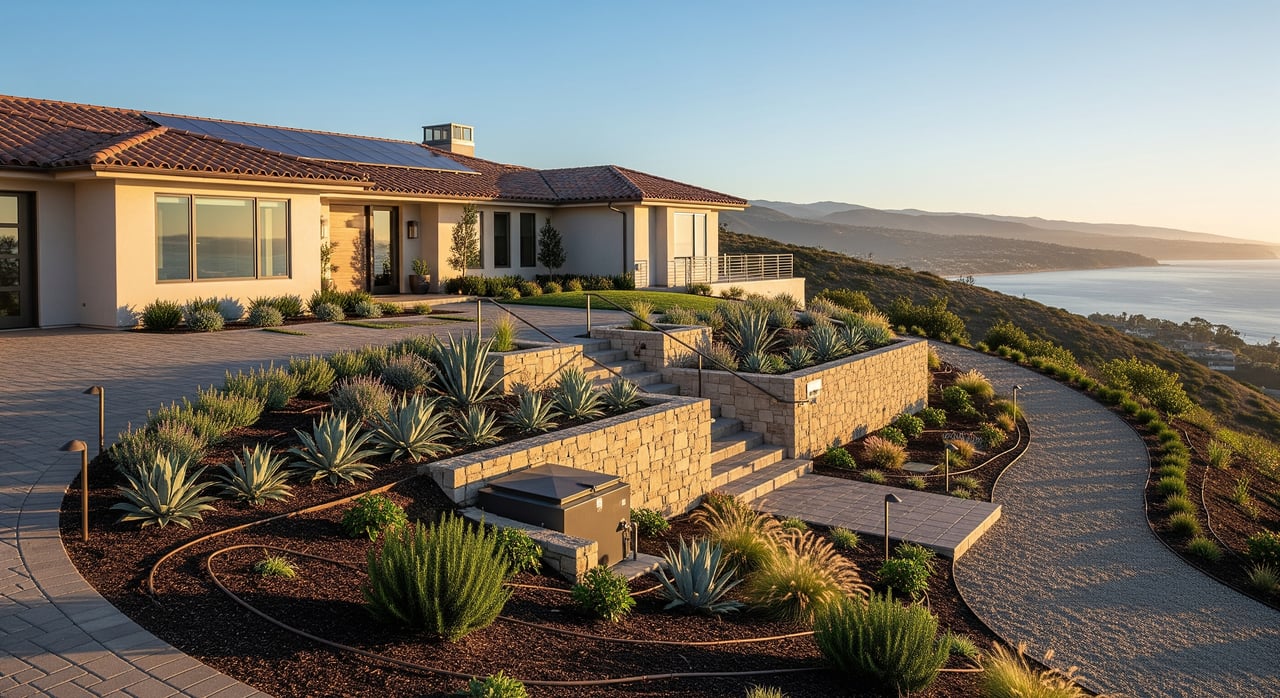
The area closest to your walls is the most important. Create a non‑combustible zone using gravel, rock, concrete, or irrigated, low‑flammability plants right next to the foundation. Replace bark or shredded wood mulch with inorganic alternatives near the house.

Keep trash bins, wood piles, and outdoor cushions away from walls. This small shift reduces the chance that embers ignite materials next to the home.

Roof, vents, and ember defense

Embers are a primary cause of structure loss in wildfires. Focus on easy‑to‑see upgrades and documentation.

  • Roofing: Class A roof materials like tile, metal, or asphalt shingles are preferred. If you replaced a roof, keep the permit and product specs.
  • Vents: Replace or retrofit with ember‑resistant vents. Keep product data sheets and installation receipts to satisfy carrier questions.
  • Eaves and soffits: Screen or enclose openings with appropriate mesh to limit ember entry.
  • Gutters: Install mesh guards and keep them clean to reduce fuel buildup on the roofline.

Simple photos showing vents, roof surfaces, and clean gutters go a long way with buyers and insurers.

Decks, patios, and attachments

Combustible attachments can carry flame to the structure. Remove stored items and vegetation under decks. Where possible, enclose undersides with non‑combustible or ember‑resistant materials and screen openings. Move flammable décor or screens away from siding. These adjustments are inexpensive and easy to confirm during a walkthrough.

Driveway, access, and visibility

Make sure your address numbers are clearly posted and reflective. Keep the driveway and entry path clear for emergency vehicles. These details are simple, affordable, and demonstrate overall readiness.

Build a Wildfire Preparedness Packet

A concise packet helps buyer agents, insurers, appraisers, and escrow feel confident. Gather, date, and label everything. Share it digitally early in the process.

Include:

  • Dated photos: wide shots of cleared slopes, close‑ups of vents, gutters, and the 0–5 foot zone.
  • Contractor invoices: vegetation management, gutter guards, chimney spark arrestors, deck screening, or vent replacements.
  • Product data sheets: ember‑resistant vents, gutter guard specs, roofing material.
  • OCFA or municipal documents: brush‑clearance or weed‑abatement certificates, inspection reports, and any required permits.
  • Insurance documents: current declarations page and a brief claim history summary if applicable.
  • Maintenance plan: a short note on ongoing cleanup and pruning schedule.

A one‑page “Mitigation Highlights” sheet at the front of the packet makes it easy to scan.

How prep helps insurance, value, and escrow

  • Insurance underwriting: Clear, dated documentation of defensible space, vents, and roofing can expedite underwriting decisions and may determine availability or pricing. Each carrier is different, but documentation is the practical path.
  • Buyer confidence: Visible mitigation and a complete packet reduce objections and answer common questions on the spot.
  • Appraisals and lending: Appraisers focus on comps and overall condition. Evidence of maintenance and insurability supports a smoother valuation process. Lenders require a policy at closing, so a ready packet helps avoid delays.

A pre‑listing workflow that works

Follow a simple sequence to get results without stress.

  1. Confirm hazard exposure using state and local resources.
  2. Schedule a defensible‑space walk‑through with OCFA guidance, a qualified contractor, or a certified assessor.
  3. Tackle visible wins first: gutters, debris, pruning near roofs, and spark arrestors.
  4. Complete targeted hardening: ember‑resistant vents, deck screening, and 0–5 foot non‑combustible treatments.
  5. Scan everything into one PDF: photos, invoices, product sheets, permits, insurance declarations, and a one‑page summary.
  6. Share the packet with your listing agent early and include key highlights in disclosures.

Cost ranges and timelines

Budgets vary by lot size, slope, access, and contractor rates. Typical ranges:

  • Minor measures: gutter guards, chimney screens, debris removal, and pruning often run a few hundred to a few thousand dollars.
  • Ember‑resistant vents: typically low‑to‑mid hundreds per vent, depending on brand and count.
  • Vegetation management and tree work: a few hundred to several thousand based on scope.
  • Roof replacement: several thousand to tens of thousands depending on materials and size.

Get two to three bids for larger projects. Keep copies of W‑9s and proof of insurance for contractors.

How we help sellers in Laguna Niguel

You want a calm, confident launch that reassures buyers and keeps escrow smooth. That starts with presentation and documentation. We coordinate landscapers, roofing and vent pros, chimney services, and photographers, then assemble a polished mitigation packet alongside your disclosures. If you prefer not to pay upfront, concierge‑style financing can fund pre‑listing improvements and be settled at closing.

When your home hits the market, buyers see a well‑maintained property with clear wildfire readiness and complete paperwork. That combination supports stronger offers, fewer objections, and a cleaner path to closing.

Ready to prepare your home and calm buyer concerns? Book a complimentary home strategy session with Unknown Company.


FAQs

What is PRC 4291 and how does it apply to my Laguna Niguel home?

  • PRC 4291 is California’s defensible‑space law that generally requires creating and maintaining fuel‑reduction zones around structures in wildland‑urban areas, which many Laguna Niguel homes border or adjoin.

Which wildfire upgrades matter most during buyer showings?

  • Buyers notice clean roofs and gutters, trimmed vegetation in the first 30 feet, ember‑resistant vents, a non‑combustible 0–5 foot zone, and a visible chimney spark arrestor.

How do I prove defensible space and hardening to insurers?

  • Provide dated photos, contractor receipts, product data sheets for vents or roofing, and any OCFA or municipal clearance or inspection documents in one organized packet.

Can my HOA limit vegetation removal for defensible space?

  • Yes, some HOAs and the city regulate slope and habitat work, so confirm rules and permits before major removal and document approvals for your packet.

Will wildfire prep increase my home’s appraised value?

  • Appraisers focus on comparable sales and overall condition, but visible maintenance and clear insurability can reduce risk concerns and support a smoother appraisal and lending process.

How long does it take to get show‑ready?

  • Many visible steps can be completed in one to two weeks; allow more time for bids, vent orders, or tree work, and start assembling your documentation in parallel.

Work With Judy

Get assistance in determining current property value, crafting a competitive offer, writing and negotiating a contract, and much more. Contact me today.

FOLLOW ME