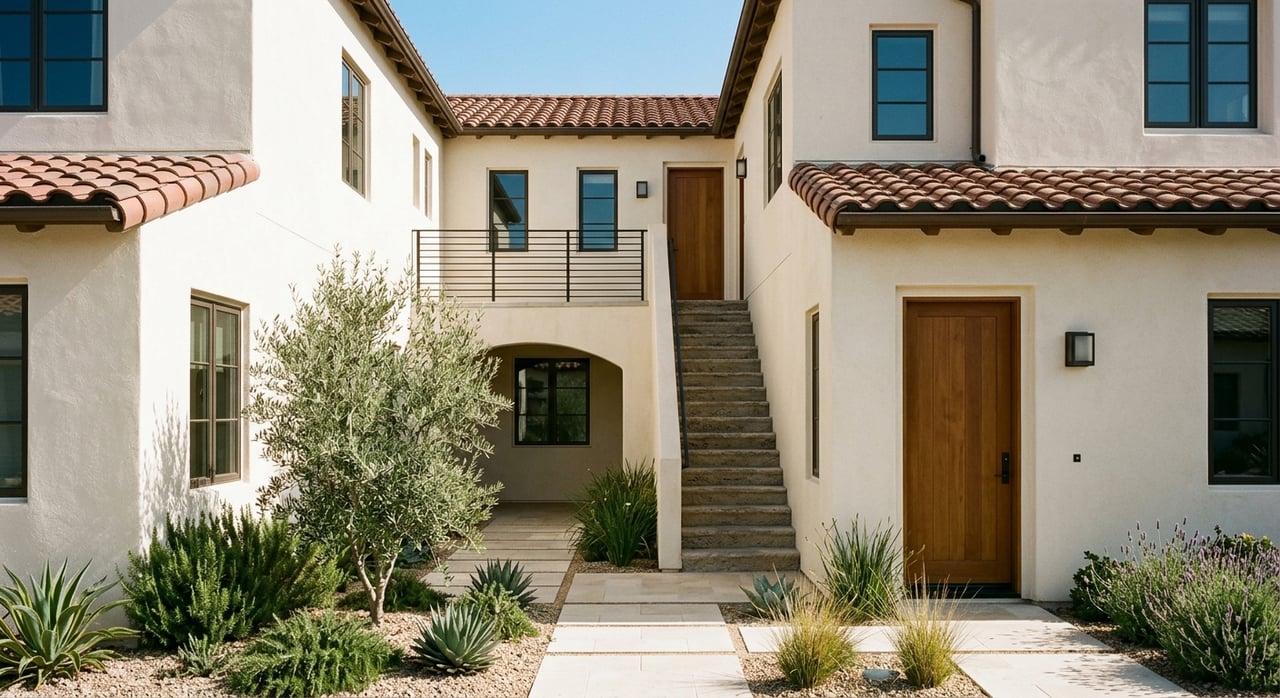
Laguna Niguel Condos vs Homes: How To Decide
If you are trying to choose between a condo and a house in Laguna Niguel, the answer is rarely as simple as “one is cheaper” or “one is better.” In this market, your best fit depends on how you want to live, what you want to spend each month, and how much control you want over maintenance and future changes. This guide will help you compare the real tradeoffs so you can make a smart decision with confidence. Let’s dive in.
Laguna Niguel remains a premium South Orange County market, which means both condos and single-family homes can come with a meaningful price tag. Realtor.com places the citywide median listing price at $1.395M, while Redfin reports a March 2026 median sale price of $1.41M.
Attached housing offers a lower entry point in many cases, but not always a simple bargain. Redfin shows 47 condos for sale at a median listing price of $750K, and pricing can vary widely by micro-location. Recent examples in the research report range from about $684K in Country Village to $4.475M in Bear Brand at Laguna Niguel.
This is also still a competitive market. Redfin reports that homes receive about 3 offers on average, and Realtor.com characterizes Laguna Niguel as a seller’s market. That makes it even more important to decide what ownership style fits your lifestyle before you start writing offers.
One of the biggest mistakes buyers make is assuming a property type based on how it looks. In California, a condo is a legal ownership form, while a townhome is usually an architectural style, not a legal category.
That means a detached-looking home can still be structured as a condominium or part of a planned development. The California Department of Real Estate notes that attached projects can be created as condos or planned developments, and even some single-family detached projects are legally condominiums.
If you only rely on listing photos or exterior appearance, you can miss important details about maintenance, shared areas, insurance, and HOA authority. In Laguna Niguel, where many communities include private streets, recreation areas, trails, or landscaped common spaces, the legal structure matters just as much as the floor plan.
The ownership structure affects what you truly own and what you share. In a standard subdivision, one owner typically has exclusive ownership of the lot and improvements. In a condominium or planned development, owners usually share some common area, and the HOA owns or maintains certain improvements.
That difference can shape everything from your monthly budget to what you are allowed to change. Before you compare a condo, townhome, or single-family home, confirm the recorded ownership type and review the governing documents.
For many buyers, this is where the condo versus house decision becomes clear. A condo or townhome often means less exterior upkeep, but it also means more dependence on the homeowners association.
California HOAs are generally nonprofit mutual benefit corporations, and owners typically must join and follow the rules. CC&Rs can govern restrictions, owner rights, and enforcement, while state law covers association finances, maintenance responsibilities, elections, and dispute resolution.
If you want less hands-on exterior maintenance, that setup may feel like a good trade. If you prefer maximum independence, the HOA layer may feel limiting.
A lower purchase price does not always mean a lower monthly cost. In Orange County, property tax rates average about 1.1% of taxable value, and taxes can also include special assessments or Mello-Roos.
The Orange County Assessor also notes that new owners may receive a supplemental assessment, and a new annual secured tax bill often does not arrive until the following September. When you compare a condo to a house, it is important to budget for taxes, HOA dues, insurance, and possible assessments together.
Do not assume every condo covers the same things, and do not assume every house leaves you fully on your own. The California Department of Real Estate notes that some communities assign exterior maintenance to the HOA, while others place parts of that responsibility on the individual owner.
In some townhome or cluster-style projects, the HOA may handle shared roofing systems or common elements. In other cases, owners may be responsible for the entire exterior if the homes are structurally independent and separately insurable.
That is why one of the smartest questions you can ask is: who maintains the roof, siding, landscaping, private streets, and amenities? The answer can change the real cost of ownership more than the list price suggests.
If you are leaning toward a condo or HOA-governed home in Laguna Niguel, the association’s financial condition deserves close attention. This is not a side detail. It is part of the purchase decision.
The California Department of Real Estate public-report disclosure explains that assessments fund common facilities and that delinquent owners can face court action, lien, and sale. California law also requires annual budget reporting, including a pro forma operating budget, reserve summary, and insurance disclosure.
Reserve studies must include a visual inspection at least every three years, and the reserve funding plan must show assessment changes if needed. For you as a buyer, that means the HOA documents can give important clues about future costs and how well the community is planning ahead.
Before you move forward, review these items carefully:
These documents can help you spot whether monthly dues seem reasonable, whether major repairs may be coming, and whether the community rules fit how you want to live.
A condo or townhome can be a strong fit if you want a lower entry price than many detached homes in Laguna Niguel. The California Department of Real Estate notes that higher-density housing can spread fixed development costs across more units, which is one reason attached homes can be priced lower than detached homes.
That can work well if your priorities include simpler upkeep, a smaller footprint, or shared amenities. It may also suit you if you value predictability and do not mind living within HOA rules.
A condo may be the better match if you want:
For some buyers, that tradeoff feels efficient and practical. You get a foothold in Laguna Niguel without taking on the full maintenance burden of a detached property.
A single-family home is often the better fit if you want more space, more privacy, and more flexibility over time. In a standard subdivision, you typically own the lot and improvements exclusively, which can offer more freedom for future changes.
That matters if you expect your life to evolve over the next 5 to 10 years. If you are planning renovations, need room for hobbies, want more outdoor space, or simply prefer fewer association constraints, a detached home may be worth the higher cost.
A house may be the better match if you want:
In Laguna Niguel, detached homes can still be part of planned developments with HOA-maintained common areas, so it is wise to check the governing structure even when the property looks fully independent.
The best question is not whether condos are better than houses, or vice versa. The better question is which ownership structure supports your real life over the next 5 to 10 years.
If you want lower upkeep and are comfortable with shared governance, a condo or townhome may align well with your goals. If you value control, flexibility, and room to grow, a detached home will usually make more sense.
In a market like Laguna Niguel, where both attached and detached homes span a wide range of price points, the right answer comes from matching the property type to your budget, maintenance tolerance, and future plans. When you get that part right, your home is more likely to feel like a fit long after closing.
As you compare listings, keep this checklist in mind:
This process helps you move past surface-level comparisons and focus on the ownership experience you are actually buying.
If you are weighing condo versus house options in Laguna Niguel, a local strategy can save you time and expensive surprises. For tailored guidance on neighborhoods, property types, and the tradeoffs that matter most to your goals, connect with Judy Parsons.

Get assistance in determining current property value, crafting a competitive offer, writing and negotiating a contract, and much more. Contact me today.
JUDY PARSONS | CA DRE# 02191105
33522 Niguel Rd Dana Point CA 92629