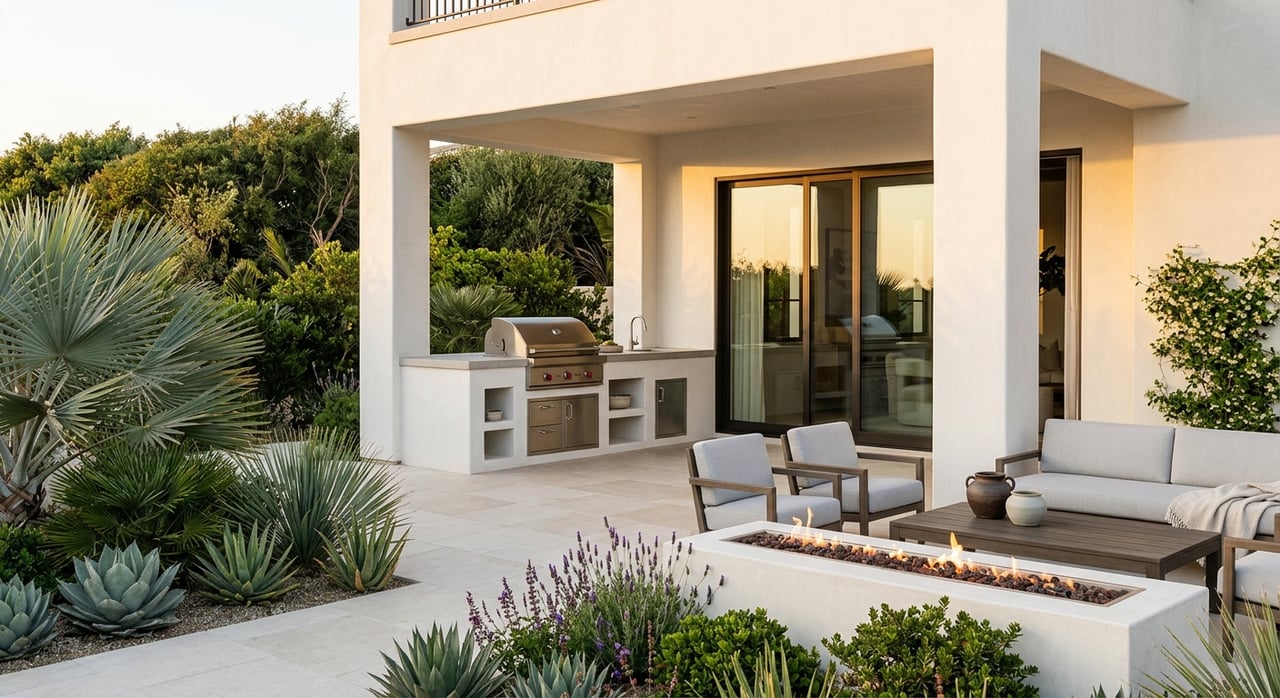
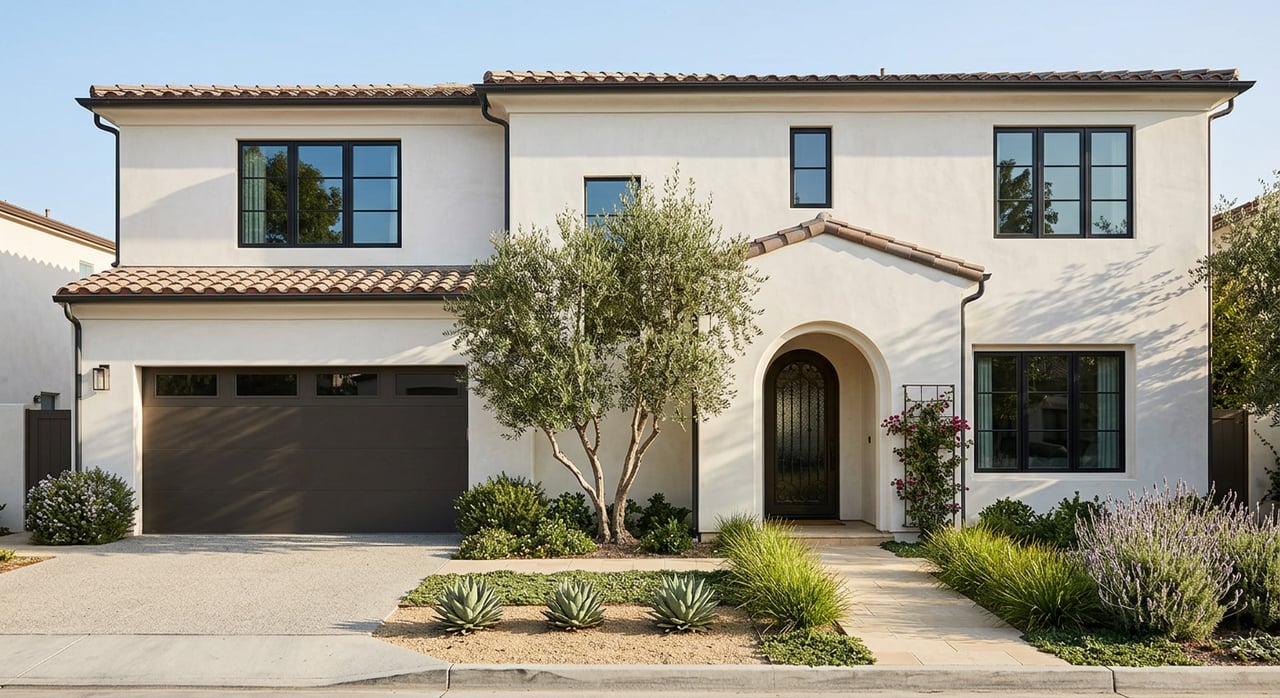
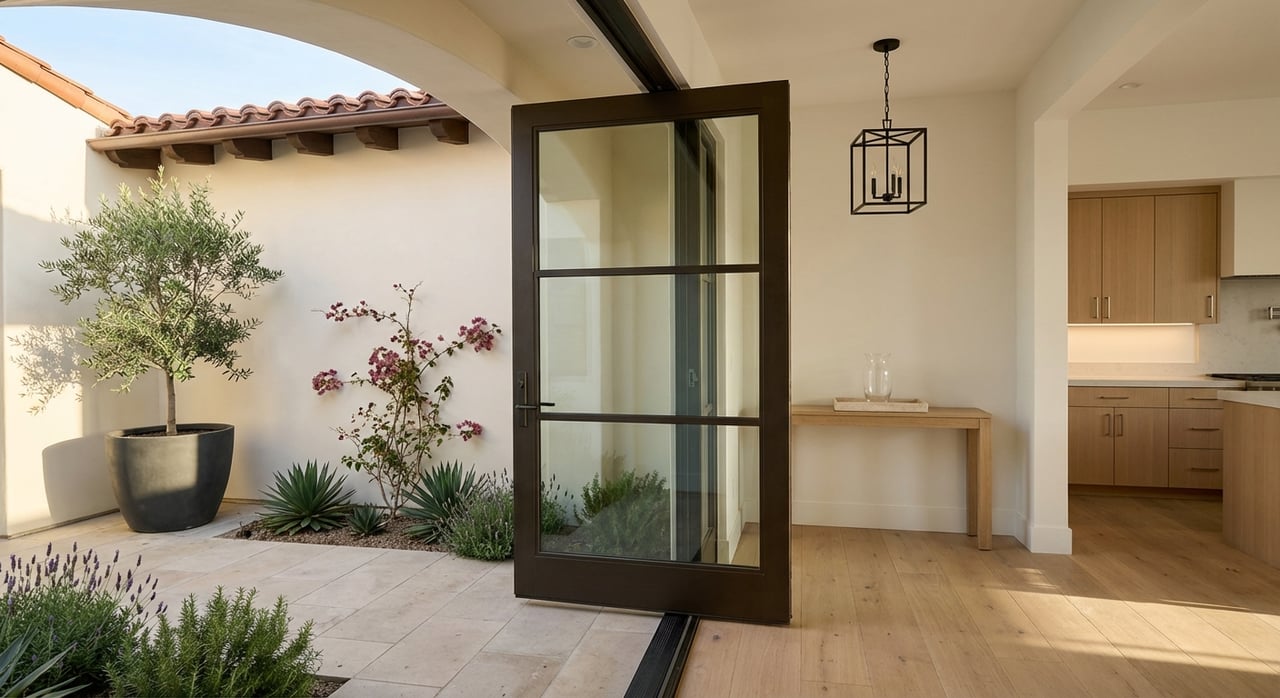
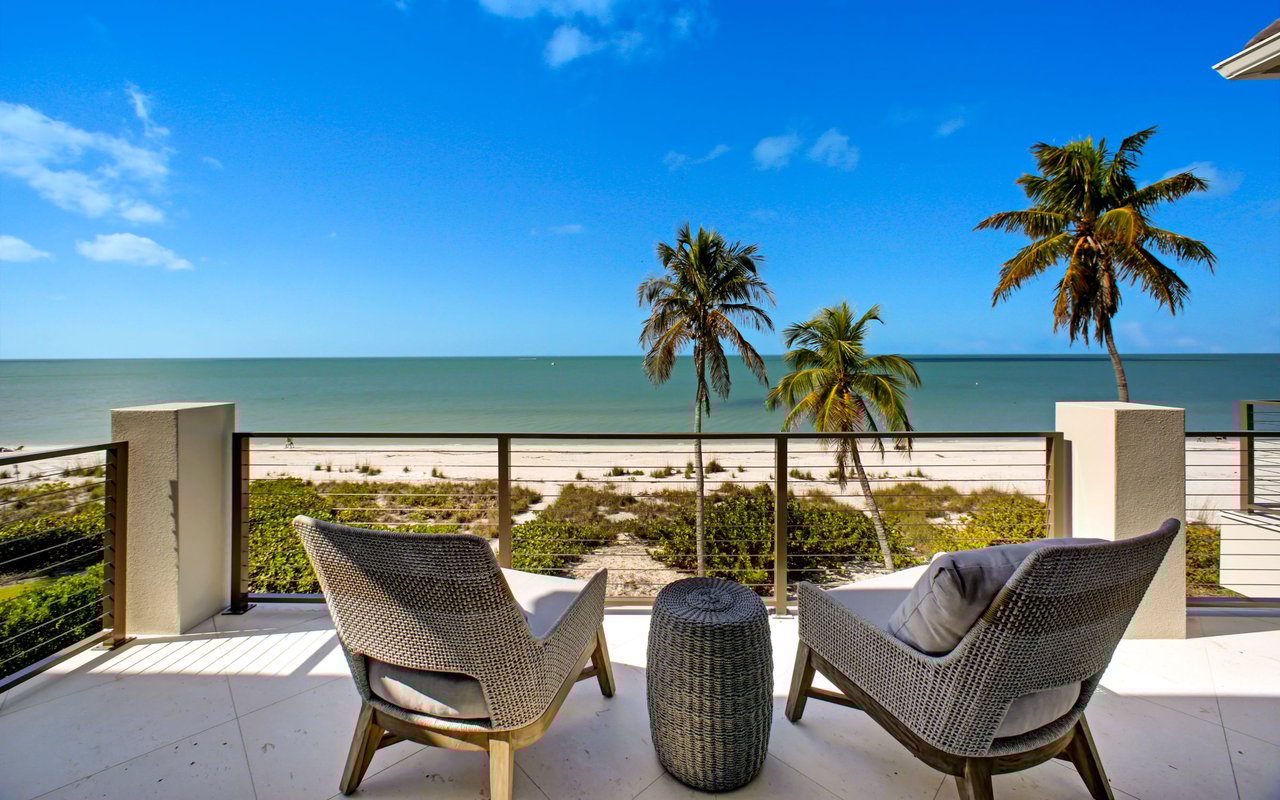
Thinking about a move to Laguna Niguel but not sure where to start from afar? You want the coastal lifestyle, strong everyday conveniences, and a clear plan that respects your time and budget. This guide gives you the essentials: market ranges, neighborhood layout, how to tour efficiently, commuting and daily life, key risks and disclosures, and a practical step‑by‑step timeline. Let’s dive in.
Why Laguna Niguel appeals
Laguna Niguel is a mid‑sized, master‑planned city in South Orange County with about 64,000 residents and a high owner‑occupancy rate. The latest Census QuickFacts shows a median household income near $140,000 and a mean commute of about 26.5 minutes, which reflects strong regional job access and suburban convenience. You get a calm residential feel with fast connections to beaches in neighboring Dana Point and nearby open space.
- City snapshot: review population, income and commute time on the U.S. Census QuickFacts page for Laguna Niguel. See the latest data.
- City layout: the plan is organized around main corridors like Crown Valley Parkway, Moulton Parkway, and Alicia Parkway that link neighborhoods to I‑5, SR‑73 and the coast. For a planning overview and maps, explore the City’s existing‑conditions document. View the city planning brief.
Market snapshot: prices and pace
Laguna Niguel is a higher‑priced Orange County market with typical home values and median listing or sale prices often in the low to mid seven figures. Recent listing and sales snapshots place the middle of the market roughly between the high $1.2 millions and mid $1.4 millions, depending on method and timing. Inventory has tightened at times, which can make non‑contingent offers more competitive during low‑supply periods. Always have your agent confirm current supply and median price the week you plan to write an offer.
What drives price differences
- Hillside vs. plateau: view lots and ridgeline streets usually command a premium over interior tracts.
- Home type and age: single‑family detached often prices higher than townhomes or condos; updated homes trade above original‑condition properties.
- Gated and HOA amenities: pools, clubhouses, and well‑funded reserves can influence value and monthly costs.
- Coastal adjacency: Laguna Niguel is inland but very close to Dana Point and Laguna Beach. Some of the priciest coastal communities, such as Monarch Beach and Niguel Shores, are in Dana Point rather than within Laguna Niguel city limits.
Neighborhoods and micro‑markets
Laguna Niguel’s master‑planned “village” structure creates clear micro‑markets. You will see hillside single‑family tracts, townhome clusters, and several gated communities. The city’s main corridors connect these neighborhoods to everyday shopping, parks, and commuting routes. Use the city’s planning overview to familiarize yourself with key roads and neighborhood groupings.
Housing types to consider
- Single‑family homes on hills and plateaus: popular with move‑up buyers seeking yards, views, and access to parks and schools.
- Townhomes and condos: a common entry point into the area with lower maintenance and access to community amenities.
- Gated or age‑restricted options: additional privacy or lifestyle features; be sure to review HOA budgets, rules, and reserves.
- Newer infill vs. older tracts: newer builds can offer modern systems and layouts, while older homes may deliver larger lots and renovation potential.
How to build your short list
- Start with two or three price bands that fit your budget so you can compare tradeoffs by home type and age.
- Plot commute routes to your workplace along Crown Valley Parkway, I‑5, or SR‑73 and test them at your usual drive times.
- If schools matter in your decision, confirm attendance boundaries for each address using the district’s tool. Check the CUSD School Locator.
- Ask your agent for HOA documents, maps, and recent comparable sales for each target neighborhood.
Tour like a pro from out of town
Out‑of‑area buyers can move quickly with the right prep and a tight plan. Here is a simple roadmap that respects a short travel window and gives you what you need to write with confidence.
Before you travel
- Obtain a full lender pre‑approval and line up proof of funds. If you might carry two homes, discuss bridge or short‑term options.
- Ask your agent to assemble a tailored packet: street‑level photos, neighborhood map with commute paths, recent comps, and HOA budgets or meeting minutes if applicable.
- Narrow your list to 6 to 10 homes that fit your budget and lifestyle.
24–48 hour in‑person plan
- Day 1 morning: drive targeted neighborhoods with your agent. Check street parking, pedestrian access, noise, and proximity to parks or retail.
- Day 1 midday: visit nearby grocery and services to confirm everyday convenience.
- Day 1 afternoon: attend open houses or private showings of your top picks.
- Day 2: schedule inspection walk‑throughs if allowed, verify HOA and CC&Rs, and do a real‑time test commute to your workplace.
If you cannot travel
- Arrange live video walk‑throughs and request close‑ups of major systems, exterior drainage, and neighboring lots.
- Use a local inspector for a pre‑inspection or include a strong inspection contingency with a tight due‑diligence window.
Signing and closing logistics
- California title companies and brokerages regularly support remote offer submission, e‑signatures for many documents, and mobile notaries for final signatures. Confirm each party’s remote signing capabilities early with your agent and title team.
Offer strategy for remote buyers
- Prepare a clean offer packet: pre‑approval, proof of funds, and quick communication channels.
- In multiple‑offer situations, sellers may prefer offers without sale contingencies. Discuss contingencies, timelines, and risk with your agent and lender before you tour.
Timing your purchase when you own a home
Coordinating two moves is possible with the right structure. Here are common paths you can consider with your agent and lender.
- Sale contingency: ties your purchase to the sale of your current home but can be less competitive in tight markets.
- Bridge or short‑term financing: lets you buy first, then sell. It adds cost but can strengthen your position.
- Rent‑back: negotiate for the seller to remain briefly after closing, which can smooth timing on either side.
- Two mortgages or a short‑term rental: conservative and sometimes the most practical when timing is uncertain.
Most California escrows are commonly negotiated for about 30 to 45 days, though timelines can flex with lender speed and HOA document delivery. Build buffer time for inspections, HOA review, and any municipal permit clarifications.
Everyday life and commuting
Laguna Niguel is built for convenience. Crown Valley Parkway links through the city toward Pacific Coast Highway and I‑5, and SR‑73 offers a toll alternative toward Newport and the 405. OCTA runs local bus routes, and Metrolink serves the area at the Laguna Niguel/Mission Viejo station on the Orange County and IE‑OC lines. Review current timetables before you plan a rail commute. Check Metrolink schedules.
You will find multiple grocery and retail hubs, including Costco, Trader Joe’s, and Whole Foods Market within short drives of most neighborhoods. Parks and trails are a local highlight, with easy access to regional open space and coastal outings like Aliso and Wood Canyons, Salt Creek, and Dana Point beaches. For a city overview that includes parks and corridors, see the City’s planning document. Browse the city overview.
For schools, most of Laguna Niguel is served by the Capistrano Unified School District. Attendance can vary by address, so verify boundaries and enrollment with the district before you decide. Use the CUSD School Locator.
For healthcare, major nearby hospitals include Providence Mission Hospital in Mission Viejo and MemorialCare Saddleback Medical Center in Laguna Hills. These facilities offer emergency and specialty care for local residents. Explore Providence Mission Hospital’s services.
Risks, insurance and disclosures to know
- Wildfire zones: parts of Laguna Niguel are mapped within High or Very High Fire Hazard Severity Zones. Ask your agent to order a natural hazard disclosure early and confirm any defensible‑space or construction requirements. Review the city’s fire‑hazard information.
- Flood and earthquake: check FEMA flood maps for your specific address and discuss earthquake coverage with your insurer or the California Earthquake Authority. Earthquake and flood are typically separate from a standard homeowner policy in California. Understand flood map basics.
- HOAs and assessments: many neighborhoods have HOAs. Review budgets, reserve studies, rules and recent meeting minutes to understand monthly costs, maintenance standards, and any planned projects.
A simple timeline for a smooth move
Use this high‑level plan to keep your relocation on track.
- 3 to 6 months out: research neighborhoods, get pre‑approved, choose a local REALTOR, and request a tailored packet with comps, HOA info, and school resources.
- 4 to 6 weeks before your visit: have your agent pre‑screen listings, schedule showings, and line up inspectors who can be on call if you make an offer. Decide on your contingency strategy.
- Visit window 0 to 3 days: follow the 24–48 hour tour plan above for drive‑bys, showings, and early inspections if allowed.
- Offer to close: plan for a 30 to 45 day escrow in California, with extra time for HOA documents and lender milestones. Discuss rent‑back if you need to smooth move‑in timing.
- After closing: schedule movers, utilities, and local registrations.
Quick remote‑buyer checklist
- Lender pre‑approval and proof of funds.
- Local agent experienced with out‑of‑area buyers.
- Short list of neighborhoods and 2 to 3 price bands.
- Vendor list: inspector, contractor for quick estimates, title/escrow that supports remote signing.
- Timing plan: sale contingency vs. bridge or short‑term financing vs. temporary housing.
Work with a local advocate
Buying from a distance is easier when you have a hands‑on, locally connected advisor who can pre‑screen homes, arrange private or live‑video tours, coordinate inspectors and vendors, and guide negotiation strategy to fit current conditions. If you want a smooth, white‑glove experience in South Orange County, connect with Judy Parsons to map your move and start touring the right homes with confidence.
FAQs
What should I budget for a typical home in Laguna Niguel?
- Recent market snapshots place the middle of the market in roughly the $1.24 million to $1.43 million range, with median listings or sales often around $1.3 to $1.4 million.
How competitive are offers for out‑of‑area buyers?
- Competition varies with inventory, but low‑supply periods favor clean offers with strong pre‑approval and tight timelines; discuss contingency options with your agent before touring.
What is the commute like to Irvine or central OC?
- Drive times vary widely by route and time of day; the city’s mean commute is about 26.5 minutes, and you should test your route along I‑5 or SR‑73 during your typical drive window.
Does Laguna Niguel have public transit options?
- OCTA runs local buses and Metrolink serves the area at the Laguna Niguel/Mission Viejo station on the Orange County and IE‑OC lines; confirm current schedules before planning a rail commute.
Which school district serves Laguna Niguel?
- Most addresses fall within Capistrano Unified School District; always verify exact school assignments with the district’s locator before deciding.
What risks should I check during due diligence?
- Confirm wildfire zone status, review FEMA flood maps, discuss earthquake coverage with your insurer, and review all HOA budgets, rules, and reserve studies for any property you pursue.