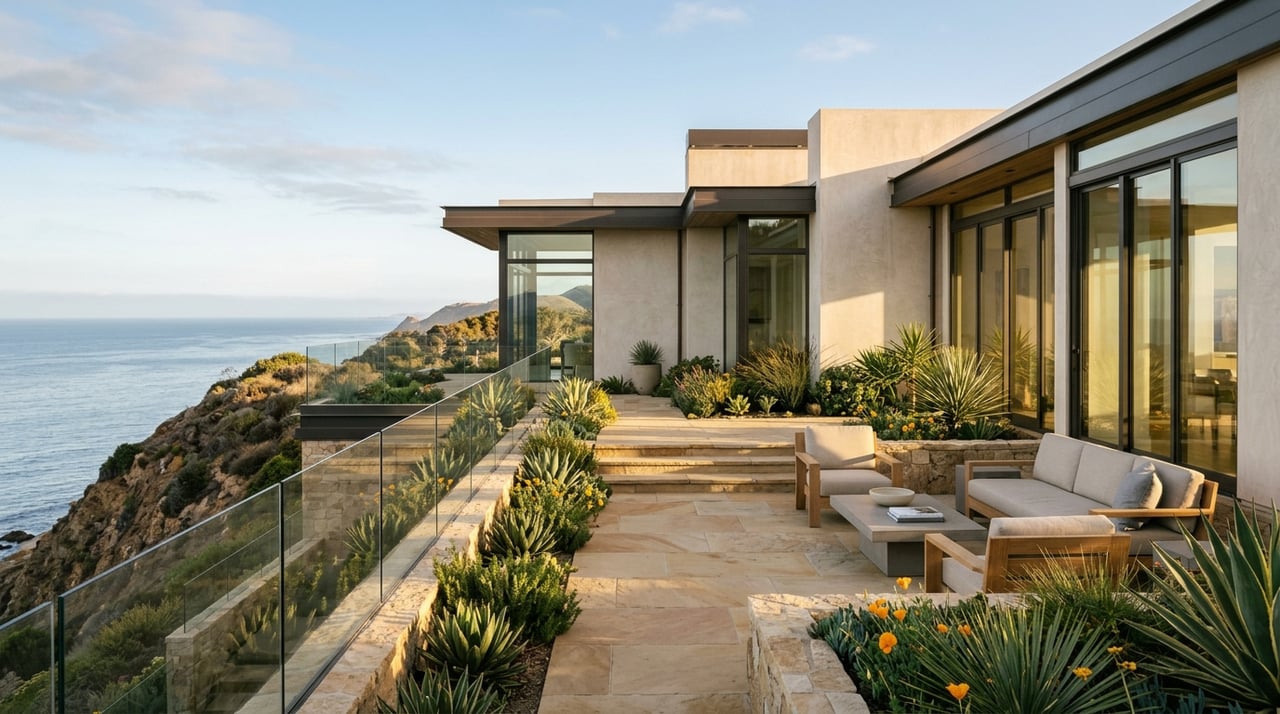
What It’s Like To Live In Laguna Niguel
Wondering whether Laguna Niguel feels more like a quiet suburb, an outdoor hub, or a coastal-adjacent lifestyle spot? The answer is a little bit of all three. If you are thinking about moving to South Orange County, this guide will help you understand how Laguna Niguel looks and feels day to day, from its parks and trails to its housing mix, commute patterns, and access to the coast. Let’s dive in.
Laguna Niguel is a 14.72-square-mile planned community in South Orange County, positioned roughly halfway between Los Angeles and San Diego and bordered by Aliso Viejo, Dana Point, Laguna Beach, Laguna Hills, Mission Viejo, and San Juan Capistrano. According to the City of Laguna Niguel demographics page, the city has a population of 64,185.
The same city and Census-backed data show a median household income of $140,452, an owner-occupied housing rate of 67.4%, and a median owner-occupied home value of $1,190,900. Those numbers help explain why Laguna Niguel often feels established, residential, and stable rather than fast-changing or heavily urban.
One of the first things many people notice about Laguna Niguel is how much open space is built into daily life. The city describes open space as a defining feature, with greenbelts, preserved natural areas, and trail connections shaping the community’s layout and feel. You can read more on the city’s open space overview.
That planning history gives Laguna Niguel a more park-centered atmosphere than many suburbs of similar size. Instead of feeling packed in, many parts of the city feel connected to trails, landscaped corridors, and natural hillsides.
Census data also points to a settled residential environment. In the latest quick facts, Laguna Niguel has 25,670 households, an average of 2.48 persons per household, and 89.2% of residents lived in the same house one year earlier, according to the U.S. Census QuickFacts page. In practical terms, that can translate to a community that feels rooted and consistent over time.
If you enjoy being outdoors, Laguna Niguel stands out. The city reports about 4,300 acres of open space, which is more than 46% of the city’s land area, along with over 80 miles of multi-use trails. That is a major part of what living here feels like on an average week, not just on weekends.
Outdoor access is not limited to one large park. It is woven throughout the city through neighborhood parks, greenways, wetlands, landscaped slopes, and preserved lands, as described on the city’s open space page.
A major local anchor is Laguna Niguel Regional Park, a 227-acre county park with a 44-acre fishing lake, trails, picnic areas, playgrounds, and courts for tennis, pickleball, and volleyball. It is the kind of place that supports a wide range of routines, whether you want a morning walk, a picnic, or a casual afternoon outside.
Another major draw is Aliso and Wood Canyons Wilderness Park, which spans about 4,500 acres and includes more than 30 miles of official trails. The park supports hiking, biking, and equestrian use, with scenic overlooks and protected natural areas that give the broader Laguna Niguel area a strong outdoor identity.
The Crown Valley Community Center and Park adds another layer to everyday recreation with a sprayground, playground, wetland restoration features, pedestrian bridge, community center, and aquatics facility. It adds a civic and recreational hub to the city’s open-space network.
For a different kind of outdoor setting, the city says the Niguel Botanical Preserve includes more than 2,000 plant species and 4 miles of walking trails across 18 acres. It is a good example of how Laguna Niguel blends residential living with green space in a very visible way.
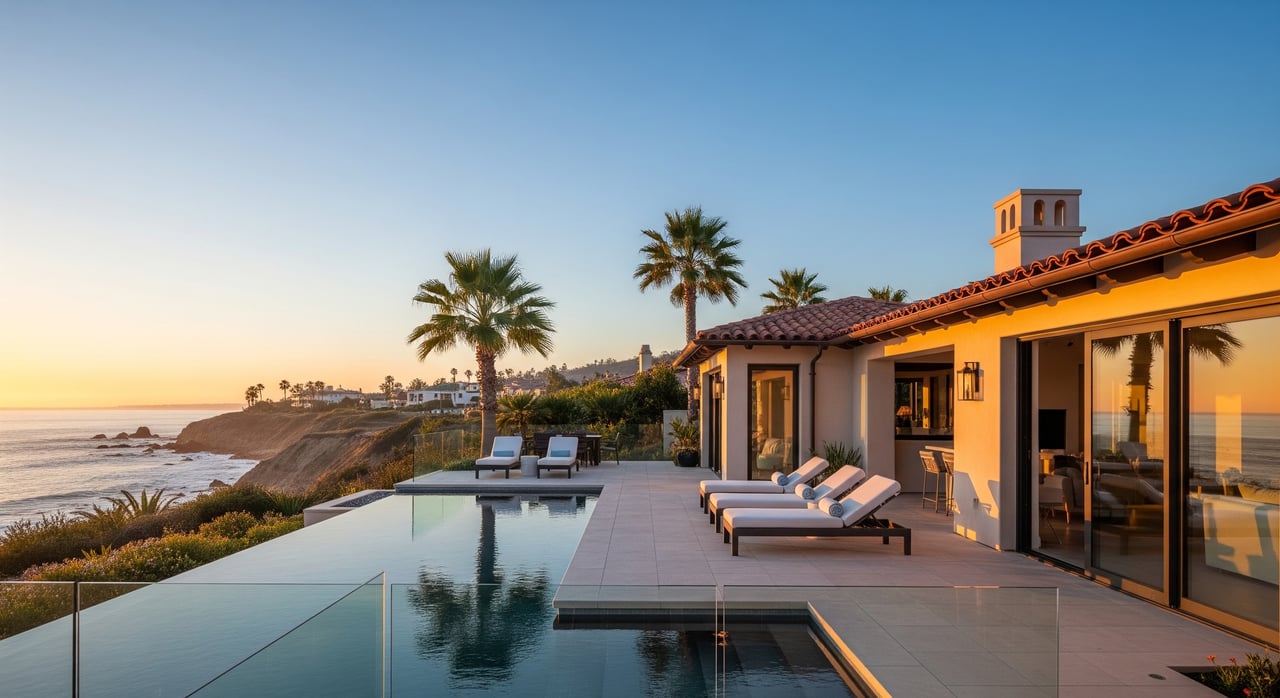
Laguna Niguel is not directly on the beach, but coastal access is a real part of the lifestyle. That distinction matters if you want a home base with a suburban feel while still staying close to the coast.
A nearby option is Salt Creek Beach Park in Dana Point, known for surfing, swimming, body surfing, sunbathing, tidepool exploration, restrooms, outdoor showers, and a seasonal concession building. For many residents, being able to reach the beach without living directly in a beach town is part of the appeal.
During the summer season, the city notes that a free trolley connects the Laguna Niguel/Mission Viejo Metrolink Station to Salt Creek Beach. That makes beach outings feel more accessible and adds to the area’s coastal-adjacent convenience.
Like much of South Orange County, Laguna Niguel is primarily car-oriented. If you move here, you will likely use your car for many daily trips, errands, and regional commuting.
That said, Laguna Niguel has more transportation options than some nearby suburban communities. The city’s public transportation page notes that the Laguna Niguel Metrolink station is located at 28200 Forbes Road, with access from I-5 via Crown Valley Parkway. The city also states that OCTA provides fixed bus routes as well as OC Access and OC Flex service.
Regional mobility is shaped by Interstate 5 and State Route 73, both identified in the city’s transportation planning documents as major connectors along the city’s eastern boundary. These routes help link Laguna Niguel to employment centers, coastal destinations, and the rest of Orange County.
According to the U.S. Census QuickFacts page, the mean travel time to work is 25.9 minutes. That suggests a commute pattern that is fairly typical for suburban Orange County.
For everyday living, Laguna Niguel offers practical convenience rather than a dense urban retail core. The city’s general plan existing-conditions report says the local retail food environment includes a wide mix of restaurant and non-restaurant options.
The same report identifies grocery choices such as Pavilions, Costco, Sprouts, Target, Walmart, Whole Foods, Ralphs, Albertsons, Grocery Outlet, Smart & Final, and Trader Joe’s, according to the city’s existing conditions report. For many buyers, that means daily errands are relatively straightforward.
Laguna Niguel may also become more walkable over time in certain central areas. The city’s City Center Mixed Use Project is planned to include specialty retail, restaurants, office space, community event space, walkable open areas, a new county library, and 275 multifamily units.
That project is worth watching because it points toward a more downtown-style environment in the future. While Laguna Niguel today is still primarily suburban in form, some central gathering areas may evolve over time.
Laguna Niguel is often associated with traditional suburban homes, and that is largely accurate. The city’s housing documents indicate that the housing stock is mostly single-family detached homes.
At the same time, it is not a one-style market. According to the city’s certified housing element, the housing mix includes 55% one-unit detached, 21% one-unit attached, 7% two-to-four units, 9% five-to-nineteen units, and 8% twenty-plus units.
If you are considering Laguna Niguel, that mix gives you a broader range of options than many people expect. Depending on your goals, you may find detached homes, attached homes, condos, and multifamily-style housing in the city.
The city also supports accessory dwelling units, or ADUs, including ADUs and JADUs in single-family and multi-family neighborhoods, along with a pre-approved ADU program. That can be relevant if you are thinking about multigenerational living, added flexibility, or long-term planning.
Laguna Niguel can be a strong fit if you want a residential South Orange County setting with visible open space, strong park access, and convenient proximity to both freeways and the coast. It tends to appeal to people who want a suburban home base without giving up outdoor recreation or beach access.
It may also appeal to buyers who want housing variety within an established community. While detached homes make up the largest share of the market, the city also offers attached and multifamily options that can support different budgets and lifestyle needs.
Living in Laguna Niguel often means getting a balance that can be hard to find in one place: a settled residential setting, extensive trails and open space, practical shopping convenience, and easy access to the coast without living directly in a beach town. It is suburban, but it is not disconnected from nature or regional amenities.
If you are weighing a move to Laguna Niguel or comparing South Orange County communities, local guidance can make a big difference. When you are ready to talk through neighborhoods, housing options, or your next move, connect with Judy Parsons to book a complimentary home strategy session.
Get assistance in determining current property value, crafting a competitive offer, writing and negotiating a contract, and much more. Contact me today.
JUDY PARSONS | CA DRE# 02191105
33522 Niguel Rd Dana Point CA 92629